It should be noted that the case for “take the antibiotics until the very end of your prescription” isn’t as strong as it was some years ago.
The assumption was that if you don’t take them until the end, strains immune to the antibiotics would survive, making them less effective in the long run. But the problem with this way of thinking is that the bacteria that gains immunity will survive it anyways – in fact a longer exposure to antibiotics rewards the trait of immunity, as evolutionary pressure is higher. There are fewer strains to compete against, as these have been killed by the antibiotics, making the unwanted mutations more likely.
Antibiotics resistance mostly comes from long time exposure to them. At least that’s my understanding, not an expert in the field.
Probably depends on the doctor, how well they keep up with research and their general stance on prescribing antibiotics. I think last time I got some was 15 years ago and back then it was “take till empty” IIRC. But after that no more, which could either mean my infections were never of bacterial nature or that my doctors just deemed not necessary enough.

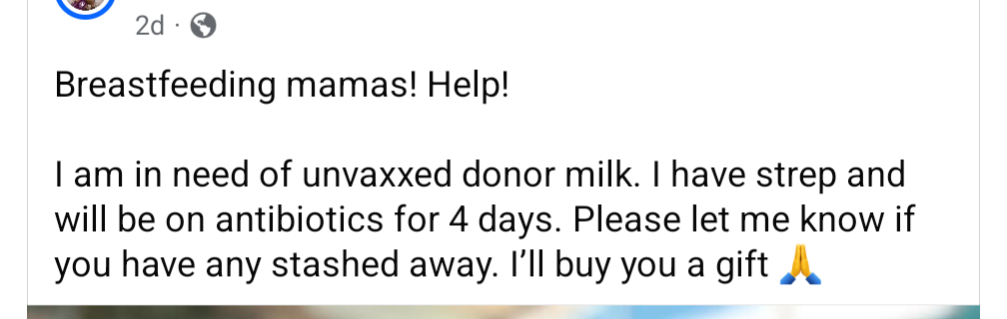
It should be noted that the case for “take the antibiotics until the very end of your prescription” isn’t as strong as it was some years ago.
The assumption was that if you don’t take them until the end, strains immune to the antibiotics would survive, making them less effective in the long run. But the problem with this way of thinking is that the bacteria that gains immunity will survive it anyways – in fact a longer exposure to antibiotics rewards the trait of immunity, as evolutionary pressure is higher. There are fewer strains to compete against, as these have been killed by the antibiotics, making the unwanted mutations more likely.
Antibiotics resistance mostly comes from long time exposure to them. At least that’s my understanding, not an expert in the field.
Edit: since I got downvoted: https://pmc.ncbi.nlm.nih.gov/articles/PMC6370607/
wouldn’t the doctors adjust the time they prescribe antibiotics for based on this?
(except for in France, when they give you penicillin for a tiny cut, but you need a prescription for paracetamol)
Probably depends on the doctor, how well they keep up with research and their general stance on prescribing antibiotics. I think last time I got some was 15 years ago and back then it was “take till empty” IIRC. But after that no more, which could either mean my infections were never of bacterial nature or that my doctors just deemed not necessary enough.
deleted by creator