It is my belief as a pilot and aircraft mechanic that both accidents share a critical design flaw: The crew vehicle for some bizarre reason was carried next to its rockets instead of on top where it belongs. It meant that Challenger had no way to escape, no launch escape tower could take them away from an exploding lower stage, and it put Columbia in a place where debris shed by the lower stage could hit it. Nothing could fall off of an Apollo first stage and hit the capsule because it was a hundred feet ahead.
Thrust from rocket engines(or jet engines) is not lift. The force they genarate is perpindicular to the focre genarated by lift. All of the lift being genarated in front of the CG would cause the rocket to pich over and crash back into the ground.
The amount of lift made has a lot to do with the angle of attack, the angle between the relative wind and the mean chord of the wing. While the space shuttle is in gliding flight, it flew with a very nose high attitude in a reasonably steep descent, thus the angle of attack. Under rocket power on ascent, the relative wind would be coming pretty much nose on, so a very low angle of attack, thus very little lift.
If the angle of attack goes negative, the wing will lift in the other direction, which is how planes can fly upside down.
Yes but it would still generate lift - a force witch would not be aligned with the center of mass and while not massive would be enough to pitch over the rocket and destroy it. There is a reason the x37 flies in a payload faring.
And it was vectored down through the floor at the center of mass somewhere in the big orange tank, which is why the shuttle always did a sick Tokyo drift off the pad.

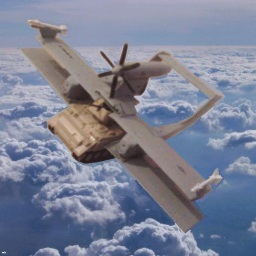

Mea culpa, you’re right. I was misremembering.
So with the original titanium heat shield the Columbia crew wouldn’t have died such gruesome deaths. All because Congress was cheap.
It is my belief as a pilot and aircraft mechanic that both accidents share a critical design flaw: The crew vehicle for some bizarre reason was carried next to its rockets instead of on top where it belongs. It meant that Challenger had no way to escape, no launch escape tower could take them away from an exploding lower stage, and it put Columbia in a place where debris shed by the lower stage could hit it. Nothing could fall off of an Apollo first stage and hit the capsule because it was a hundred feet ahead.
The issue is that they wanted to really pump up the reusable launch vehicle part, so it couldn’t be this little thing on the top with 4 SRBs.
They died for the marketing.
And more than a little scope creep.
Not a rocket scientist so I can’t say.
But I’m betting a room full of them and NASA engineers thought through all of their options based on the criteria and current tech.
Aerodynamics called: your center of lift being far infront of your center of gravity does not work
When basically all of your “lift” is coming from thrust, sure it does. As if the space shuttle stack was a work of aerodynamic genius.
Thrust from rocket engines(or jet engines) is not lift. The force they genarate is perpindicular to the focre genarated by lift. All of the lift being genarated in front of the CG would cause the rocket to pich over and crash back into the ground.
Aerodynamic lift has a lot to do with angle of attack. Source: I am a flight instructor.
Wings still genarate lift when in a vertical climb. The force genarated is reative to the wings not gravity
The amount of lift made has a lot to do with the angle of attack, the angle between the relative wind and the mean chord of the wing. While the space shuttle is in gliding flight, it flew with a very nose high attitude in a reasonably steep descent, thus the angle of attack. Under rocket power on ascent, the relative wind would be coming pretty much nose on, so a very low angle of attack, thus very little lift.
If the angle of attack goes negative, the wing will lift in the other direction, which is how planes can fly upside down.
Yes but it would still generate lift - a force witch would not be aligned with the center of mass and while not massive would be enough to pitch over the rocket and destroy it. There is a reason the x37 flies in a payload faring.
Like 30% of the shuttles launch thrust came from the main engines.
And it was vectored down through the floor at the center of mass somewhere in the big orange tank, which is why the shuttle always did a sick Tokyo drift off the pad.