
- cross-posted to:
- technology@slrpnk.net
- cross-posted to:
- technology@slrpnk.net
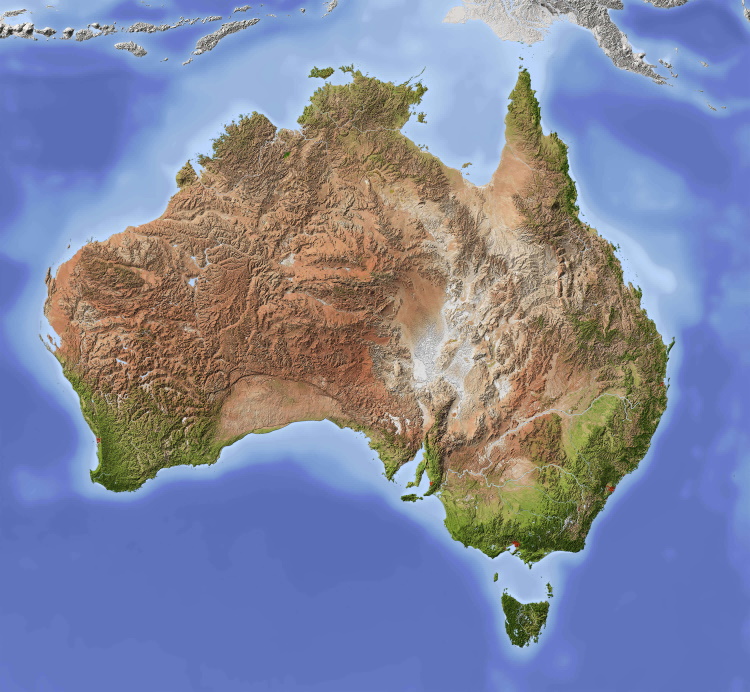
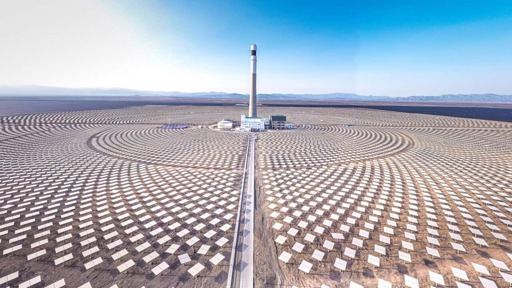
With the renewable energy transition underway in Australia, the higher than expected uptake of solar panels has human rights groups concerned about links to Uyghur forced labour in the supply chain. As Australia looks into developing its own solar panel industry, rights groups say government and industry should work to ensure the clean energy transition isn’t at the cost of freedom.
[…]
Without a domestic supply chain, though, Australia is importing around 90 per cent of its solar panels from China.
Ramila Chanisheff, President of the Australian Uyghur Tangritagh Women’s Association, says her people are being forced to make them.
“We know that the biggest industry that is complicit in Uyghur forced labour is the solar industry or the wind turbine industry or the EV vehicles.”
Since 2016, the Chinese government has reportedly kidnapped and detained millions of Uyghur people in the Xinjiang province, known to its indigenous Uyghur population as East Turkistan.
In what was officially described as an effort to combat extremism, around one million members of the majority Muslim Uyghur minority were sent to so-called re-education centres between 2017 and 2019.
Evidence and testimony from ex-detainees reveals torture and political indoctrination, forced sterilisation and drugging, as well as food deprivation to punish those who showed resistance.
An official Chinese government report published in November 2020 documents the “placement” of 2.6 million minority citizens in farms and factories within the Uyghur Region and across the country through state-sponsored initiatives.
[…]
“We do have credible evidence and Uyghur who have spoken about their family members who’ve been taken into the concentration camps, which have with research, and that’s come out that they are turned into labour camps. All those Uyghur reserve being put into forced labour within East Turkistan or Xinjiang and or being trafficked to mainland China to do the work.”
[…]
Australia has poured billions into solar power and green manufacturing and the Australian Renewable Energy Agency is currently funding feasibility studies for new domestic polysilicon production facilities.
But for now, with a few small exceptions, Australia still imports most of its solar panels from China.
Fuzz Kitto is the co-founder of Be Slavery Free, which works to raise awareness and end modern slavery.
“The conflict between climate and human rights commitment has led investors to feel that they’ve got no choice but to invest in companies sourcing, or connected to, the Xinjiang region despite the human rights abuses that are there. And even though the experts say that there’s enough outside of that region to supply the United States, Europe and leading countries in their needs for solar produced electricity, it is certainly not being transparent about where these are coming from. In fact, quite opaque sometimes and a lot of greenwashing.”
[…]
To make solar panels you need solar-grade polysilicon, which is made from silica sand produced from quartz.
China manufactures around 95 per cent of the global supply of polysilicon, much of it made in factories with links to forced Uyghur labour.
According to the Australian Mining Review, Australia is the largest silica sand exporter in the Asia-Pacific region, with most of our exports going to Chinese markets.
[…]
Fuzz Kitto says we should be making it here.
“I think one of the great difficulties is that people think that there are no alternatives and now there are a growing amount of that. The thing is that in Xinjiang there are the sands that produce the polysilicon. So to produce poly silicons, basically you need cheap electricity and you need sands of that quality. We do have sands of that quality in Australia, not quite of the standard of Xinjiang. In fact, we export sand to China for the making of polysilicons, which is just incredible. Why we are not producing an industry in Australia of making them is beyond us.”
[…]
You must log in or # to comment.