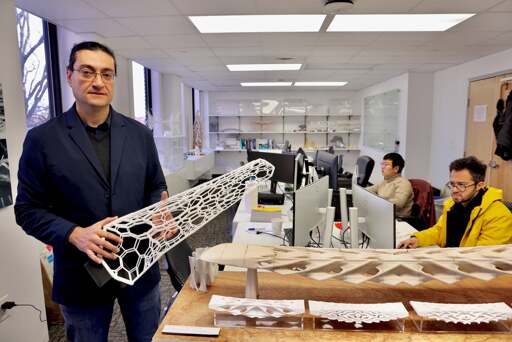
Concrete reabsorbs some of its carbon emissions over time. Alternative ingredients and 3D printing could help supercharge that by making the finished concrete more porous.
For context, concrete production is responsible for ~8% of global emissions
In general, the big issues with modified recipes for it and alternate designs for structures have been that architects and contractors don’t like taking risk with new things. This has made adoption of improvements painfully slow.
architects and contractors don’t like taking risk with new things
Its more that they need assurance they aren’t building something thats going to just fall down due to shitty materials that dont work as well as claimed.
Everyone should want this. Its a safety issue. It makes sense to start use in non-critical areas rather than something structural (which is where a lot of the use is, RCC).
Seriously, I’m so sick of articles posted in this community always having this bias. “It doesn’t get adopted cus people are stupid”. No there are actual reasons, but painting it as “the other side is just lazy/dumb” makes you look like an ass. This isn’t a community to talk about climate change, this is a community to feel self righteous. The amount of misinformation that gets posted in this community is insane.
Hemp concrete is pretty promising, it stores more co2 than it produces. If only it could be used for structural support
deleted by creator