We have stereo smell to help with locating smells. There’s also the nasal cycle. One nostril/sinus handles most of the airflow, then they swap (the sinuses are separate until they get to the throat). That way one can recover moisture, plus some smells are more easily detected with fast airflow and others with slow. So the nostrils functioning differently gives us a broader range of odor detection. What else? Umm, bilateral symmetry and redundancy is useful.
… So the snake can lick both our eyeballs at the same time before biting us on the nose?! Also two snake fangs, two human nostrils, aaahk it’s twos all the way down!


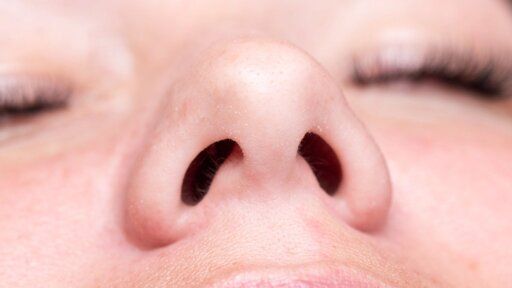
We have stereo smell to help with locating smells. There’s also the nasal cycle. One nostril/sinus handles most of the airflow, then they swap (the sinuses are separate until they get to the throat). That way one can recover moisture, plus some smells are more easily detected with fast airflow and others with slow. So the nostrils functioning differently gives us a broader range of odor detection. What else? Umm, bilateral symmetry and redundancy is useful.
Since we use our nose to warm incoming cold air, I’m sure cutting the volume per nostril and boosting contact surface makes a significant difference
This guy nose.
Nobody nose it, but you’ve got a secret smile…
Knows his noses.
The same reason we have two eyes and snakes have forked tongues.
… So the snake can lick both our eyeballs at the same time before biting us on the nose?! Also two snake fangs, two human nostrils, aaahk it’s twos all the way down!
Snakes smell with their tongues.