

Sunshine (she/her)
🇨🇦🇪🇺
- 1.39K Posts
- 360 Comments

 1·14 小时前
Stop using american-owned media pretending to be Canadian.
Support Avis Lewis and protest against the conservative-liberal coalition enabling the rich.
Good thing people chose to elect a Loblaws lobbyist in a recall election and were too lazy to boycott no frills when there are other stores around.
They left the dump.
 7·15 小时前
Good dino thinking about the shareholders!
 1·16 小时前
Your privacy is proud!
 3·18 小时前
Looks towards ml
 10·20 小时前
You’re an inspiration for environmentalists!
Yes because more eyes can view the code.

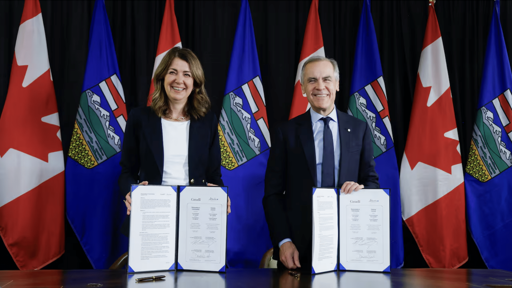
What a bunch of meek wankers.

 3·22 小时前
Gotta delete the account next.

Rustad isn’t done yet. He’s resisting the boiling pot.
Two new laws being debated by Canada’s Parliament could open the door for American law enforcement agencies to expand their reach into Canada, allowing U.S. investigators to peer into our country to investigate conduct that is legal within our borders.
The legislation, in conjunction with existing U.S. laws, would potentially allow American authorities to demand personal data from companies in Canada without needing a warrant, effectively bypassing the protections of our constitution, without remedy.
One of the proposed laws, Bill C-2, could “open the floodgates to a wide array of data-mining practices, including the collection of data from commercial data brokers, and other data-fueled algorithmic surveillance systems,” warns Kate Robertson, a researcher at the University of Toronto’s Citizen Lab, which works at the intersection of technology, law, and human rights.
It could “extend the reach of U.S. law enforcement into Canada’s digital terrain to an unprecedented extent.”
“If C-2 becomes law, the RCMP could compel internet or cellular service providers to give them access to a person’s private data and, if they find immigration related information, share it with immigration enforcement — for example, if you make a Google search about what your immigration options are because your permit is expiring,” she said.
The legislation signals that the Canadian government is considering data sharing agreements with C-2 and C-12 under a potential U.S. CLOUD Act agreement and the 2AP treaty.
Cocq said that the Canadian government is poised to fast track Bill C-12, which contains the same attack on the right to seek asylum as Bill C-2. Since the Bloc Québécois has expressed its support for the law, the Liberals are expected to move forward with it.
As with Bill C-2, a large number of civil liberties and human rights associations have condemned C-12 and called for lawmakers to vote against it.
C-12 would give the immigration department the power to share an individual’s immigration information to other federal agencies, other levels of government, or social and health service providers, which can lead to denial of service and other forms of abuses without oversight, such as landlords calling Canada Border Services Agency on their tenants or employers forcing individuals to accept less than the minimum wage,” said Cocq, who led a coalition of around 300 groups against C-2 and C-12.
The government is expected to push the rest of Bill C-2 later. There is speculation that amendments will be made to C-2, but it’s not yet known what that will look like.
The CLOUD Act puts the Canadian constitution at risk of being subordinated to U.S. law, which is far less protective and a real threat to human rights, Robertson said.





Stop that garbage bill that will expose your data to criminals in data breaches.


 4·2 天前
Get rid of Modi and his BJP thugs from their positions.
Carney has said he intends to diversify Canada’s procurement and enhance the country’s relationship with the EU. He has previously said that no more will over 70 cents of every dollar of Canadian military capital spending go to the U.S.

Yes in that you do not see the channel at all.
 23·3 天前
You’re welcome to ask questions here ❤️



That option doesn’t seem as strong as a block but it’s a start.







This is american-owned media pretending to be Canadian.