- 35 Posts
- 753 Comments

 11·5 days ago
going to keep “4 epistillion percent” in my back pocket from now on
zencastr. it’s the new episode processing that hasn’t been functioning. had some contact with support, didn’t help, currently in the process of getting them to redirect our RSS
https://www.patreon.com/OdiumSymposium/posts/24-dolphin-of-169474003
New Odium Symposium episode, “The Dolphin Fucking Elders of Atlantis”. We talk about new age crystal healing pioneer Frank Alper and his channeled lectures on Atlantis, Lemuria, Anti-Atlantis, crystals, and the future of humanity.
If you listen anywhere besides Patreon or Spotify, the episode is delayed. Our hosting service went “LLM based” (?) as I recounted previously and then just stopped working. We’re switching hosts and will have the episode up as soon as possible.
sartre proven more right every day


i first became aware of srinivasan because he was running an extremely funny bitcoin scam. it was a $400 computer, the crypto mining platform of the future, a veritable font of wealth, and when people got it it was a raspberry pi with some shielding incorrectly attached, so that if you touched it wrong you shorted it and bricked the device. it mined a few cents a year and sent something like half of that to a16z
i also first became aware that noah smith was going to lose his mind when he cited srinivasan approvingly on twitter, i drew his attention to this, and he replied ‘no i just asked balaji about this and he said he’s cool, that it wasn’t a scam and also that he was actually put in charge of it to make it not a scam’
happy kirkiversary to all who celebrate
there are tons of issues here. almost impossible to convey how bad things are. in no particular order:
-
this research breakthrough was a consequence of dumping tons of money into the ai companies. if the future of the field means being entangled with openai et al. and extreme expenses that is going to upend mathematics in a much bigger way than ability to prove new things will. this hasn’t been a focal point of discussion yet but it looks to be at the center of mathematics going forward imo.
-
possibly for legal reasons, the statement stops short of accusing openai of stealing their in progress work. as in literally snaking their documents off the cloud and using them to try to undercut researchers. but it’s very clear that that is what the author believes happened
-
openai straight up threatened the mathematician in question. in a colloquial sense they’re engaging in extortion. apparently this is so routine for them that they didn’t even stop to consider that they can’t threaten an academic’s career (or they assumed the mathematician would understand there will be no academic careers in the future)
-
openai is straight up lying about their research methods. there are various ways that their announcements have had the potential to be misleading (for example when you see “we spent $2000 to compute these proofs” ask how much they spent on attempts that didn’t work). but what they’re saying may generally just not be true even in a literal sense
-
As Talia Ringer has pointed out elsewhere, there major issues from the point of view of mathematicians is the rush to scoop another researcher’s work, which is a dick move, and pressure to drop a co-author who works for a competing AI firm.
what? that is absolutely not true. ill try to address this on my lunch break but it is way more serious than that
“being around ai is like this” i… ok

when you’re really good at convincing people to like ai

theophite is known for this post which i think is most of how he got a following

to him being a rabid racist: there was a palestinian guy posting on bsky asking for donations at one of the worst points of the genocide and theophite took it upon himself to start acting as a one man misinfo shop about him, screenshotting his posts and coming up with unjustified theories about how he was ai generated, represented some sinister force, etc. eventually the guy was proven to be completely authentic, theophite kept going and idk what happened after that because i blocked him. the whole thing was obsessive and overtly about hostility to poor and brown people
he’s probably done more work promoting llms in math than anyone else has, and probably by a lot
terry tao grimly climbing into the hotdog suit
going off the article (i haven’t read anything else about this) she actually says that. she claims this is the only job she could get where she wouldn’t have to be away from her four kids for months. which, i don’t think that’s true? she could do voice acting surely
new odium symposium episode. we look at the evolution of keyboard warrior and self described most censored man on the internet jk sheindlin
https://www.patreon.com/OdiumSymposium/posts/23-gobsmacking-168259713

nice of the rationalists to remind me that no matter how ugly the ai situation gets they will never ever be capable of making a good point

i have to admit i think we are charlie kirk is a banger

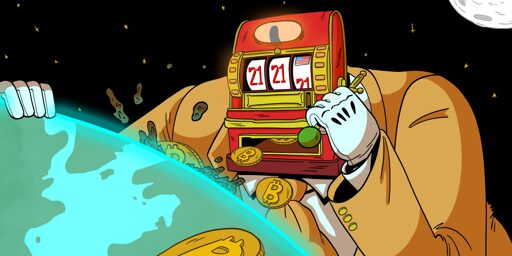

interesting article on embedding tracking into images, audio etc
https://brand.io/article/spymarks/
iirc scott aaronson (notable among our friends) was working for openai on the text version of this a while back